


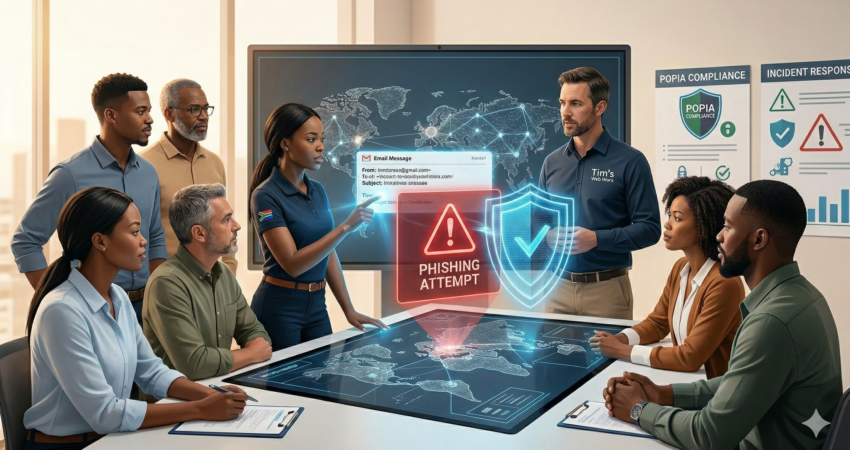

Cybersecurity has become paramount for businesses, particularly in South Africa. Cyber threats are on the rise, and digital resources often are the backbone of small and medium enterprises (SMEs). The good news? By implementing robust security practices, you can effectively safeguard your data and customer information while ensuring business continuity.
Cyber Security – Understanding the Landscape
South Africa has seen a significant increase in cybercrime, underscoring the need for enhanced cybersecurity measures. According to recent statistics, businesses in this region are particularly vulnerable due to inadequate cybersecurity practices. Understanding these risks is the first step in building a more secure digital presence.

Importance of Cyber Security for SMEs
Small and medium-sized businesses often view cybersecurity as reserved for larger firms. However, SMEs can be just as appealing to cybercriminals due to their lower security measures. A data breach can lead to serious financial losses, damage to reputation, and loss of customer trust. Thus, investing in security should be a priority for every business owner.
Top Security Practices to Implement
1. Use Strong Passwords and Multi-Factor Authentication (MFA)

Strong Passwords
Encourage your team to create complex passwords, mixing upper and lower case letters, numbers, and symbols. Avoid using easily guessable information like birthdays or common words. Consider implementing a password manager to help employees maintain strong and unique passwords for different accounts.
Multi-Factor Authentication (MFA)
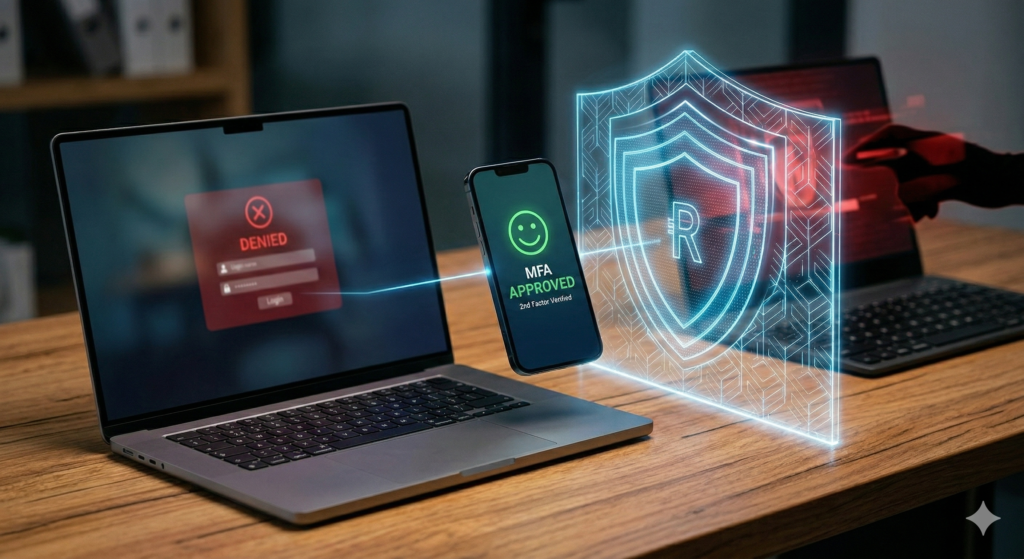
MFA adds an extra layer of protection by requiring additional verification methods before granting access. Whether it’s through a text message, email, or dedicated authentication app, MFA significantly reduces the risk of unauthorized access.
2. Regular Software Updates
Outdated software can expose your business to various vulnerabilities. Ensure that all operating systems, applications, and security software are regularly updated. Enable automatic updates whenever possible to keep your digital resources protected against threats.
3. Educate Your Team
Human error is often a significant factor in data breaches. Providing cybersecurity training for your employees can help raise awareness about common threats such as phishing, social engineering, and malware. Regular workshops and assessments will keep security top of mind, fostering a culture of vigilance.
4. Implement Strong Firewall Protections
Firewalls act as a barrier between your internal network and external threats. Make sure to deploy a reliable firewall solution to monitor traffic and block potentially harmful connections. Regularly review and update your firewall settings to adapt to new threats.
5. Secure Your Website
As a digital business, your website is often your storefront. It’s crucial to secure it against attacks. Using HTTPS is a must, as it encrypts data exchanged between users and your site. Also, consider installing security plugins or solutions that can help protect against common threats, such as SQL injection or cross-site scripting.
6. Regular Backups
Data loss can occur unexpectedly due to various reasons, including hardware failures or cyberattacks. Regularly back up your data using both local and cloud solutions. This practice ensures that you can quickly restore your systems without substantial downtime.
7. Monitor User Access and Permissions
Control who has access to sensitive information within your organization. Implement strict user permissions and regularly review them to ensure that only authorized personnel can access sensitive data.
Role-Based Access Control (RBAC)
Consider using role-based access control to grant permissions according to job functions. This minimizes the risk of exposing sensitive data to those who do not require access.
8. Create an Incident Response Plan
Having a plan in place for when a security breach occurs is essential. An incident response plan outlines steps your team should take in the event of a cyber attack or data breach. Conduct regular drills so your team knows exactly how to respond, minimizing damage and recovery time.
9. Comply with Local Regulations
South Africa has specific laws regarding data protection, such as the Protection of Personal Information Act (POPIA). Ensure your digital business is compliant with these regulations to avoid hefty fines and penalties. Compliance not only protects your customers but also enhances your brand’s reputation.
Conclusion
Navigating the digital landscape can be challenging, especially when it comes to security. By adopting these key practices, South African SMEs can significantly enhance their cybersecurity posture. At Tim’s Web Worx, we understand the unique challenges that digital businesses face. Let us help you implement a customized security strategy that aligns with your business goals and keeps your data secure.
Remember, cybersecurity is not merely a checkbox to tick; it’s an ongoing commitment. Stay informed, stay proactive, and let your customers know you prioritize their safety as much as your own business success. For more insights and tailored solutions, reach out to us today!