


Most SME founders wrestle with CRM chaos long before growth demands clarity. Your HubSpot CRM architecture shouldn’t add to the noise—it must shape a clear, scalable revenue system. In this post, you’ll see why so many setups falter and how a connected, well-planned design with pipelines, lifecycle stages, and automation governance keeps sales flowing smoothly. DM me if this sounds familiar. Learn more about HubSpot CRM for SMEs.
Building a Scalable CRM System

In the realm of customer management, knowing the framework of your CRM is crucial. Let’s dive into how HubSpot CRM architecture can benefit your business and what key elements you should focus on.
Understanding HubSpot CRM Architecture
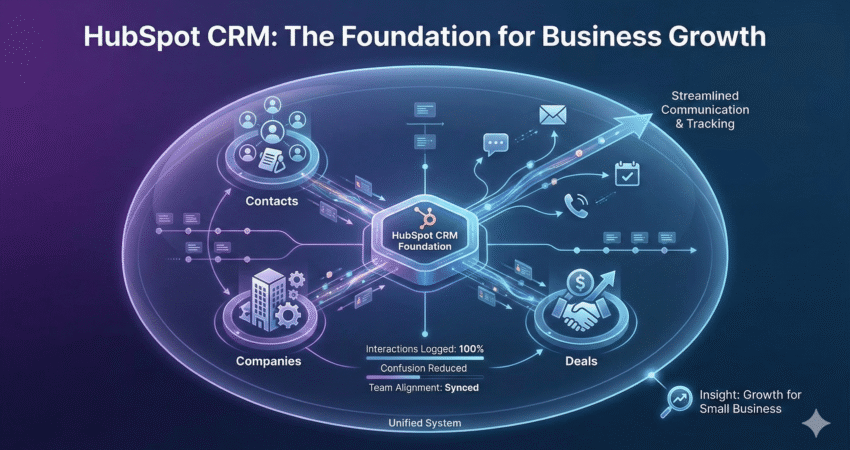
HubSpot CRM is more than just a tool; it’s a foundation for your business. It organises contacts, companies, and deals in one place. This setup helps you streamline communication and keep detailed track of every interaction. If you’re managing multiple clients, this unified system reduces confusion and ensures everyone is on the same page. Check out this insight about HubSpot for small businesses.
Imagine knowing exactly where each lead is in the sales journey. With HubSpot, you can categorise them into lifecycle stages such as lead, customer, or evangelist. This clarity helps in prioritising tasks and focussing energy where it matters most. Your team will spend less time hunting for information and more time closing deals.
Benefits for SME Founders
For small and medium-sized enterprises, time and resources are often limited. HubSpot CRM architecture helps manage these constraints effectively. It keeps your sales pipeline clear and your growth scalable. By organising data intuitively, it allows you to identify trends and opportunities without getting lost in numbers.
SME founders will appreciate how this system supports decision-making. It transforms raw data into actionable insights, enabling better strategies and improved outcomes. The longer you wait to optimise your CRM, the more opportunities you miss. This isn’t just a tool; it’s a partner in your growth journey.
Avoiding Common CRM Pitfalls

Knowing what to avoid is just as important as knowing what to pursue. Let’s look at the common mistakes in CRM design and why a solid architecture is essential.
Common Failure Points in CRM Design
Many businesses stumble at the design phase. A common pitfall is overcomplicating the system. This can lead to confusion and inefficiency. If your CRM feels like a maze, it’s time to step back and reassess. Explore more about HubSpot CRM and how to avoid these issues.
Another frequent mistake is neglecting integration. A CRM should connect seamlessly with your existing tools. If not, it becomes a silo, leading to data fragmentation. Ensure your CRM is open to integrations, making your tech ecosystem work as one cohesive unit.
The Importance of Proper HubSpot CRM Architecture
A well-structured CRM system is like a well-oiled machine. It functions smoothly and supports your business goals without hiccups. Proper architecture ensures data consistency and reliability. This kind of setup saves time and reduces errors, allowing you to focus on growth.
When your CRM is built correctly, it scales with your business. It moves from handling a handful of clients to managing a larger customer base effortlessly. This scalability is vital for SMEs looking to expand without overhauling their systems every few years.
Key Elements of Effective CRM Systems

Designing a CRM involves careful planning and execution. Here, we’ll focus on the components that make your system efficient and future-proof.
Designing Pipelines and Lifecycle Stages
Your sales pipeline is the backbone of your CRM strategy. It’s crucial to map out each stage clearly, from lead generation to closing. By doing so, you create a predictable and repeatable process. This structure helps your team know what actions to take at each step, maintaining momentum in your sales cycle.
Lifecycle stages are equally important. They help categorise your contacts based on their journey with your business. By identifying where each lead stands, you can tailor your communication and improve conversion rates. This clarity not only boosts efficiency but also enhances customer satisfaction.
Automation Governance and Reporting
Automation takes repetitive tasks off your plate, freeing up time for strategic activities. But it’s essential to manage these automations carefully. Setting clear rules and monitoring their performance prevents errors and ensures that the automations work as intended.
Reporting is another critical element. With HubSpot’s dashboards, you can track key metrics at a glance. This visibility helps you make informed decisions quickly. Accurate reporting turns data into insights, guiding your strategies and highlighting areas for improvement.
In conclusion, building a scalable CRM system requires understanding, design, and governance. By focusing on these elements, you can transform your CRM from a simple tool into a powerful engine for growth. Remember, the right architecture today paves the way for success tomorrow.