

SPF, DKIM, DMARC: the deliverability trio that protects your e‑commerce brand and revenue
Your WooCommerce order emails vanish into spam folders. HubSpot campaigns bounce or get blocked. You patched SPF records and added DKIM keys, but the problem persists. Email authentication isn’t a set-and-forget task—without a proper DMARC policy and alignment, your brand’s reputation and revenue risk slipping through the cracks. Let’s unpack how SPF, DKIM, and DMARC work together to stabilise your email deliverability and protect your e-commerce brand at scale. For more information, visit this resource.
The Power of Email Authentication

In the world of e-commerce, stable email systems are crucial. Let’s explore how email authentication can safeguard your brand and revenue.
Understanding SPF, DKIM, and DMARC
To start, email authentication involves three key protocols: SPF, DKIM, and DMARC. These act like gatekeepers, verifying that emails claiming to come from your domain are genuine.
SPF (Sender Policy Framework): SPF helps to specify which IP addresses are allowed to send emails on behalf of your domain. By setting up an SPF record, you reduce the risk of your emails being marked as spam. Imagine having a list of approved senders who can deliver packages for you. That’s SPF for your email.
DKIM (DomainKeys Identified Mail): DKIM adds a digital signature to your emails. This signature is like a seal that assures the recipient the email is legitimate and untampered. It’s akin to sealing a letter with a wax stamp that only you can create.
DMARC (Domain-based Message Authentication, Reporting & Conformance): DMARC builds on SPF and DKIM by providing instructions on how to handle emails that fail authentication checks. It’s like having a trusted friend who knows exactly what to do if something seems off.
Together, these protocols create a robust line of defence, ensuring better email deliverability. For more details on how these protocols work, check out this article.
Boosting Email Deliverability
Authentication protocols not only protect but also enhance email deliverability. When correctly set up, they ensure that your emails reach their intended inboxes.
Enhanced Trust: When email providers see your domain using these protocols, they recognise it as trustworthy. This means fewer emails end up in spam folders.
Higher Open Rates: With increased trust comes higher open rates. Customers are more likely to engage with your emails when they appear credible.
Consistency: Achieving consistent inbox placement becomes easier. Your marketing campaigns can reach their full potential without being hindered by deliverability issues.
With these benefits, integrating SPF, DKIM, and DMARC into your email setup is a no-brainer. Learn more about improving your email deliverability with this guide.
Protecting Your Brand and Revenue
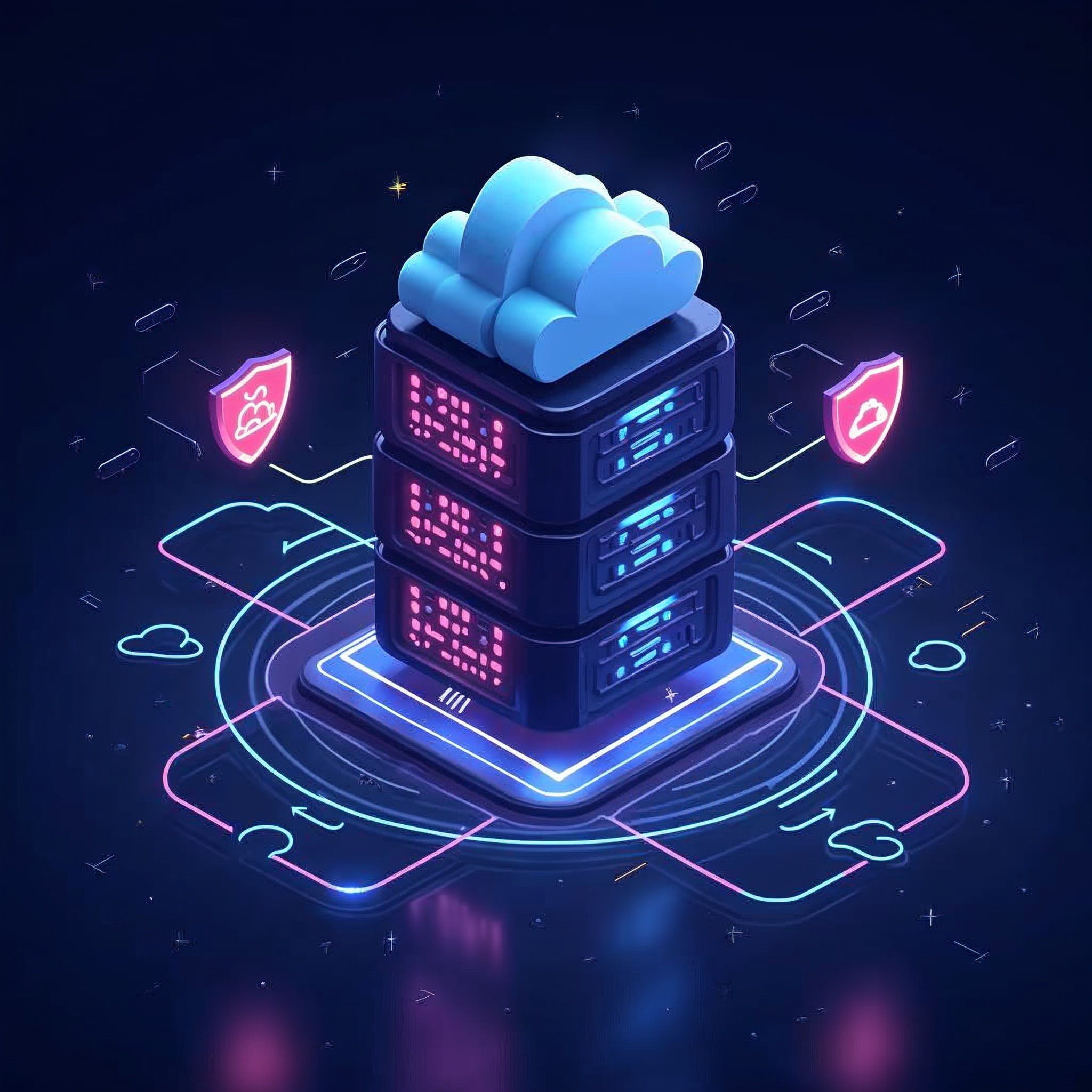
Beyond deliverability, email authentication shields your brand and revenue from malicious activities.
Stopping Phishing and Spoofing
Phishing and spoofing are significant threats to e-commerce brands. Without proper protection, cybercriminals can impersonate your domain and deceive your customers.
Phishing: This involves tricking recipients into believing they’re dealing with a trusted entity. Phishers often aim to steal sensitive information. By implementing DMARC, you can block these fraudulent emails effectively.
Spoofing: Here, attackers forge your domain to send deceptive emails. DKIM and SPF prevent this by ensuring only verified senders can use your domain.
By thwarting these attacks, your brand remains credible, and customers continue to trust your communications. For more insights, check out this article.
Enhancing Sender Reputation
A strong sender reputation is vital in the digital age. It determines how email providers perceive your domain.
Positive Reputation: When you use SPF, DKIM, and DMARC, you establish a positive reputation. Email providers are more likely to deliver your emails to inboxes when you consistently prove your legitimacy.
Reduced Bounce Rates: A good reputation leads to fewer bounces. More of your emails reach their recipients, enhancing your overall communication strategy.
Maintaining a solid sender reputation ensures your emails effectively reach your audience. For additional tips on boosting your sender reputation, explore this guide.
Implementing a Reliable System

While email authentication is essential, setting it up can be challenging. Let’s examine the hurdles of DIY setups and the benefits of a stable infrastructure.
Challenges of DIY Setups
Setting up email authentication yourself isn’t always straightforward. Many e-commerce teams face hurdles.
Technical Complexity: Configuring SPF, DKIM, and DMARC involves navigating technical details. Mistakes can lead to emails being blocked or misrouted. It’s like assembling a complex puzzle without all the pieces.
Continuous Management: Email authentication isn’t a one-time task. It requires ongoing monitoring and adjustments. Without expertise, maintaining these protocols can become overwhelming.
These challenges highlight the need for expert guidance. For more information on the complexity of DIY setups, refer to this resource.
Building a Stable Email Infrastructure
Creating a reliable email infrastructure entails more than just authentication. It involves a holistic approach to ensure seamless operations.
Integrated Solutions: Combining authentication with other elements like DNS management and reliable hosting creates a well-rounded system. Think of it as building a strong fortress around your brand.
Expertise and Support: Engaging with experts who understand the intricacies of email systems provides peace of mind. They can guide you through setup, management, and optimization.
A stable infrastructure ensures your emails are not just delivered but also trusted. For deeper insights into building a robust email system, explore this resource.
In conclusion, embracing email authentication protocols like SPF, DKIM, and DMARC is non-negotiable for e-commerce success. They protect, enhance, and stabilise your communication efforts, ensuring your brand thrives in a competitive market.
Future-Proof Your Email Strategy
As e-commerce evolves, so too must your approach to email security and deliverability. While SPF, DKIM, and DMARC are foundational, staying ahead of emerging threats and technologies is crucial for maintaining trust and efficiency in your communications.
Embracing Innovations in Email Technology
New technologies continue to enhance how businesses ensure secure and effective email delivery:
BIMI (Brand Indicators for Message Identification): Implementing BIMI allows your brand’s logo to appear beside emails in customer inboxes, further enhancing trust and brand visibility. It leverages DMARC to validate your domain, ensuring only authenticated emails showcase your logo.
AI-Driven Analytics: Utilizing AI to analyze deliverability metrics can offer insights into patterns and potential issues, enabling proactive adjustments and optimization. This data-driven approach leads to smarter, more effective email strategies.
Preparing for Future Threats
As security threats evolve, staying informed and adaptable is key:
Regular Security Audits: Conducting frequent evaluations of your email systems helps identify vulnerabilities before they are exploited. This proactive approach protects your infrastructure from sophisticated phishing and spoofing attempts.
Continuous Learning and Training: Keeping your team updated on the latest email security developments ensures they are equipped to handle new challenges. Investing in training programs can fortify your internal defenses.
Maintaining Competitive Edge
The landscape of e-commerce is fiercely competitive, and your email strategy plays a pivotal role in standing out:
Customer-Centric Communication: Tailoring your email content to resonate with your audience fosters engagement and loyalty. Personalization and value-driven messages enhance customer relationships.
Adapting to Market Changes: Staying agile and responsive to shifts in consumer behavior and technological trends allows your brand to remain relevant and impactful.
By integrating these forward-thinking strategies, you can secure your brand’s email communication in the long-term and maintain a competitive edge in the dynamic e-commerce market. For more insights into future-proofing your email practices, explore this comprehensive guide.