

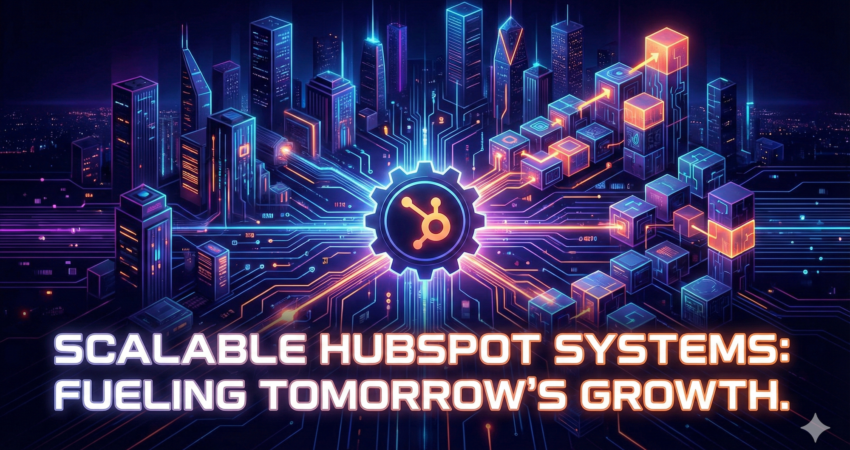

Most agencies build HubSpot CRM systems that crack under pressure. Your pipelines clog, workflows break, and data gets messy just when clients demand scale. This playbook shows how to design a scalable HubSpot CRM that holds up in the real world—covering everything from lifecycle logic to workflow governance and SLA management. If you’re ready to stop firefighting and start delivering reliable systems, this guide is for you. DM me if this sounds familiar.
Building a Scalable HubSpot CRM

In a world where systems often fail when pressure mounts, building a robust CRM is essential. Understanding the elements that contribute to scalability can make or break your client relationships.
Designing for Growth
Creating a CRM that grows with your agency is crucial. It’s not just about adding more users or data; it’s about ensuring that your system can handle the complexity that comes with scale. Start by focusing on pipeline design. A well-structured pipeline can streamline processes and make your operations more efficient. Consider, for instance, a company that doubled its client base in a year without a hitch by focusing on a robust pipeline setup. This attention to detail ensures your system remains agile and responsive.
Next, pay attention to lifecycle stages. Mapping these stages accurately allows you to track a lead’s journey effectively, ensuring no opportunity is ever lost. This isn’t just theoretical—businesses that implement precise lifecycle stages see a marked improvement in conversion rates. Remember, a scalable CRM isn’t just about technology; it’s about understanding and predicting your needs as you expand.
Common Failure Points
Many systems fail because they aren’t designed with real-world challenges in mind. One common pitfall is the lack of lifecycle logic. Without clear rules and processes, your CRM can quickly become chaotic. Imagine navigating a labyrinth without a map—that’s what it’s like managing a CRM without defined lifecycle logic.
Another frequent issue is data model design. Inadequate design leads to inefficiencies and errors. For example, a mismatch in data fields can disrupt entire workflows, causing frustration and delays. Ensure your data model is intuitive and adaptable, reducing the risk of costly mistakes.
Effective Workflow Governance

With growth comes complexity, and managing workflows effectively is key to sustaining your CRM. By establishing clear governance, you can maintain order and efficiency as you scale.
Defining Lifecycle Logic
Lifecycle logic is the backbone of your CRM. It dictates how information flows and ensures that every action has a purpose. Begin by identifying the stages that matter most to your agency. Are you focusing on MQL to SQL handoffs? Or perhaps SLA management is your priority?
Once you’ve defined your stages, set clear rules for transitions. This clarity not only streamlines operations but also empowers your team to make informed decisions. As you refine your lifecycle logic, you’ll find that your CRM becomes a powerful tool, not just a repository of data.
Scalable HubSpot – Managing Lead Routing Rules
Efficient lead routing can significantly impact your bottom line. By setting precise rules, you ensure that leads reach the right person at the right time. Imagine the frustration of a sales team receiving leads meant for support—it’s not just inefficient; it’s costly.
Implement a system that considers factors like geography, lead score, and product interest. This specificity ensures that your team can focus on what they do best—closing deals and nurturing relationships. As a bonus, you’ll find that your response times improve, keeping clients satisfied and engaged.
Ensuring Data Integrity and Compliance

Data is the lifeblood of your CRM, and maintaining its integrity is non-negotiable. Compliance with regulations like GDPR is also crucial to avoid potential pitfalls.
Implementing a Deduplication Strategy
Duplicate data can wreak havoc on your CRM, leading to errors and inefficiencies. A solid deduplication strategy prevents these issues, ensuring your data remains clean and reliable. Start by conducting regular audits to identify duplicates. Tools within HubSpot Operations Hub can automate much of this process, saving time and reducing errors.
Consider a company that regularly purges duplicates and sees a 30% improvement in data accuracy. This simple action can transform your CRM from a cluttered mess into a streamlined powerhouse.
GDPR Consent Management
Compliance isn’t just a legal obligation; it’s a trust-building exercise. GDPR consent management ensures that your agency respects client privacy while maintaining operational efficiency. Establish clear protocols for obtaining and managing consent, and regularly review these processes to ensure compliance.
By prioritising consent management, you not only protect your agency from legal ramifications but also demonstrate a commitment to ethical operations. This approach builds trust with clients, fostering long-term relationships and solidifying your agency’s reputation in the industry.
In conclusion, building a scalable HubSpot CRM requires a thoughtful approach and a commitment to best practices. By focusing on growth, governance, and integrity, you can create a system that not only meets today’s needs but also anticipates tomorrow’s challenges. If these insights resonate with you, feel free to join the conversation at Austin Startups.